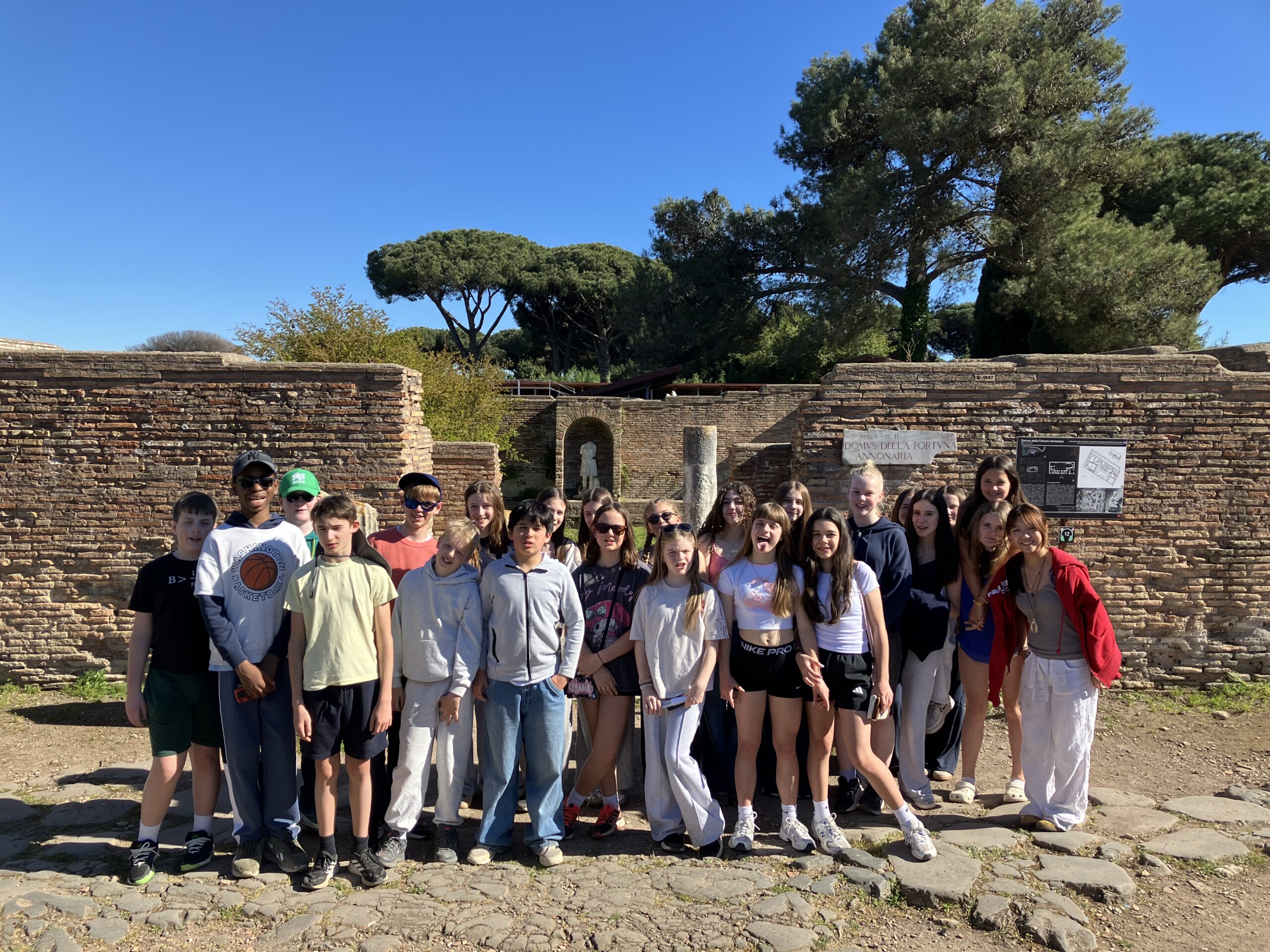
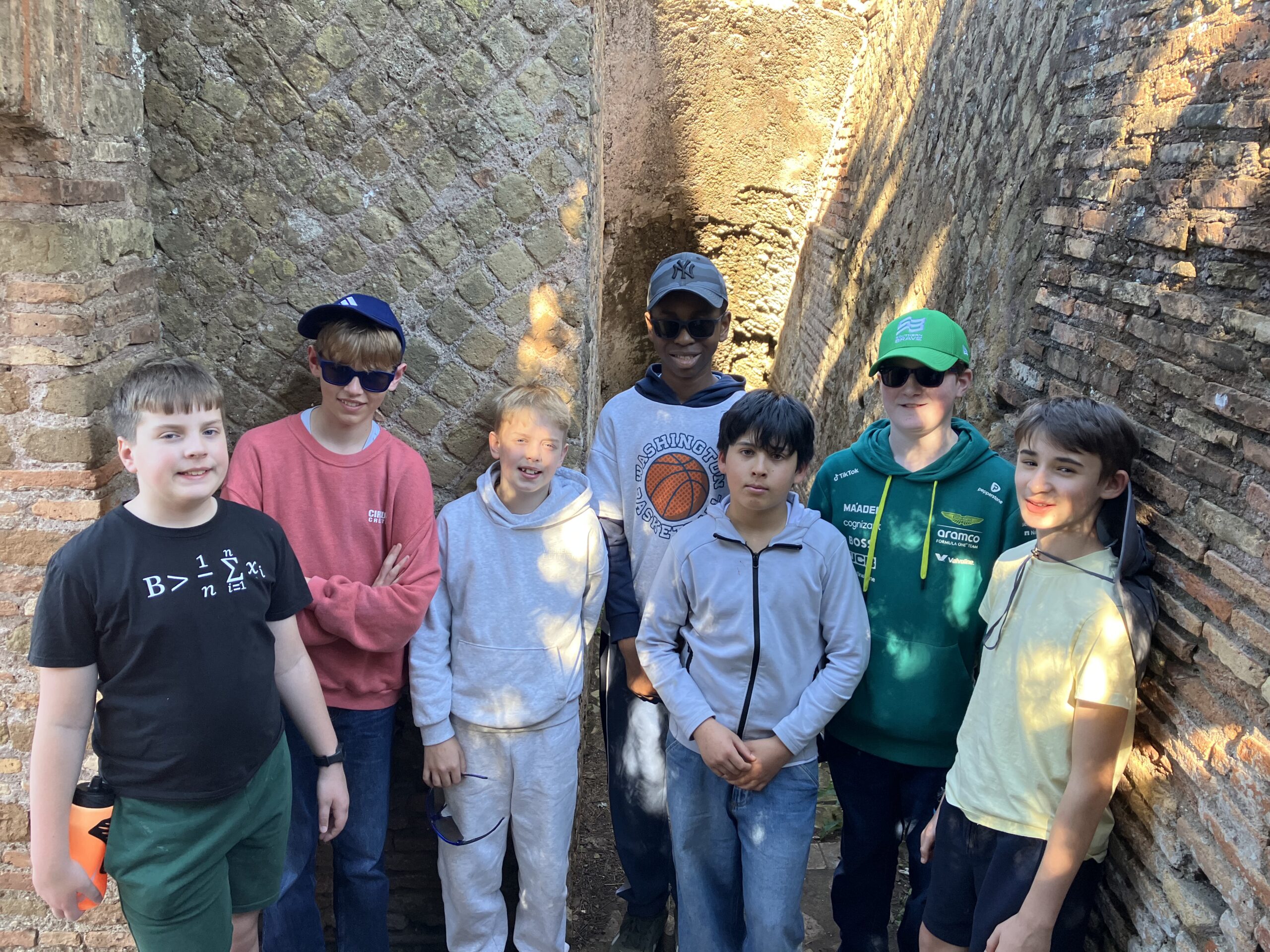
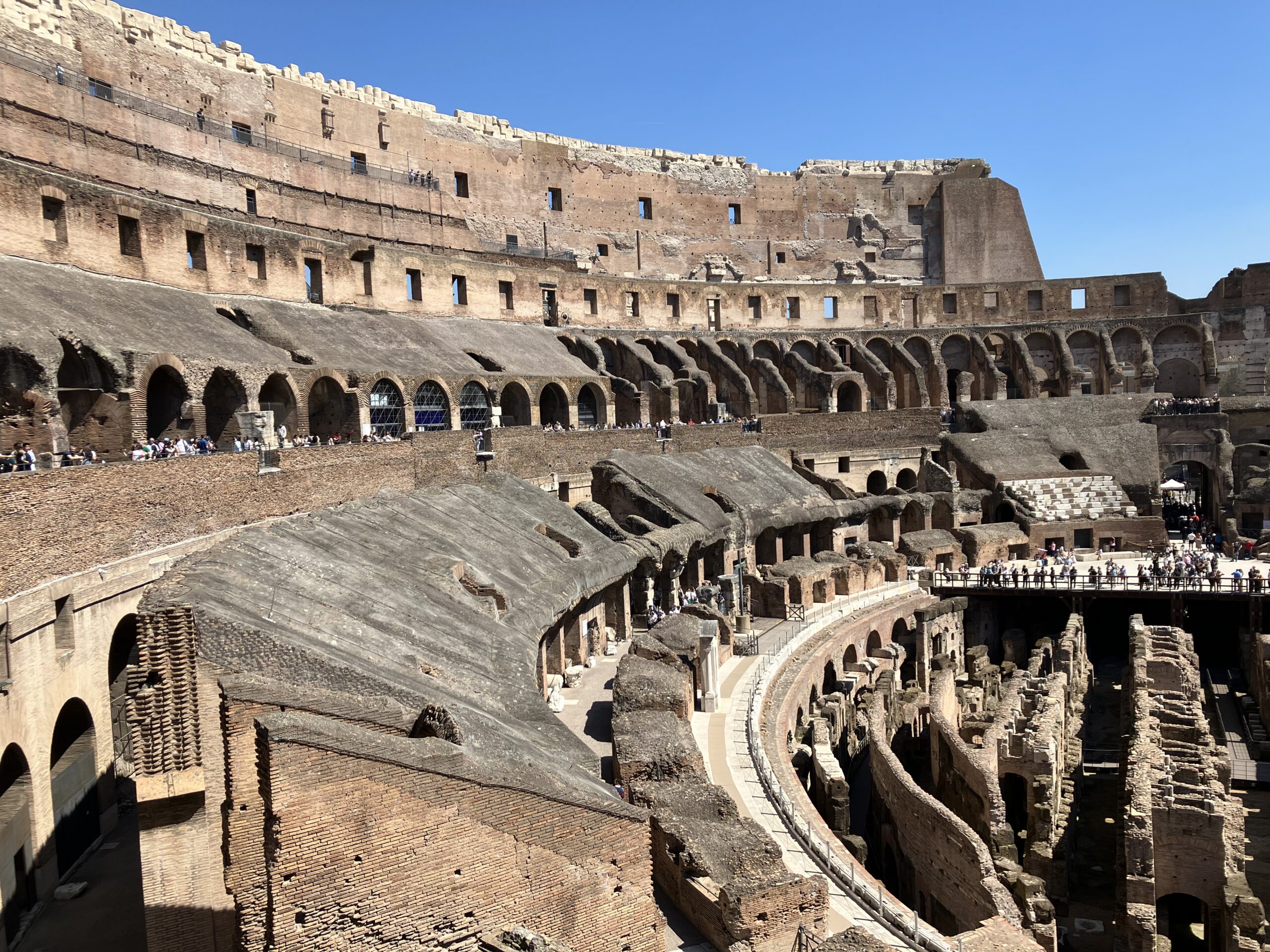
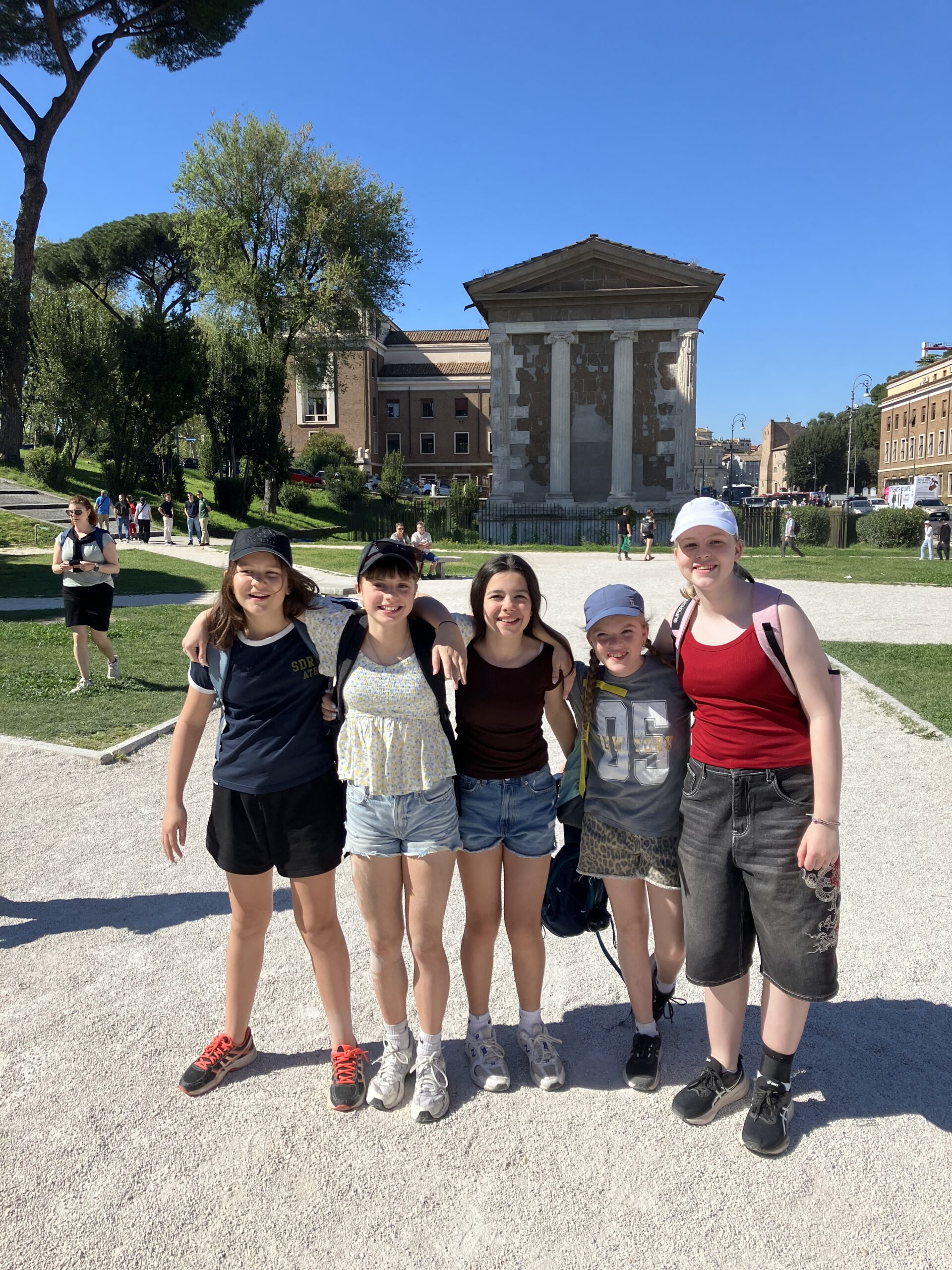
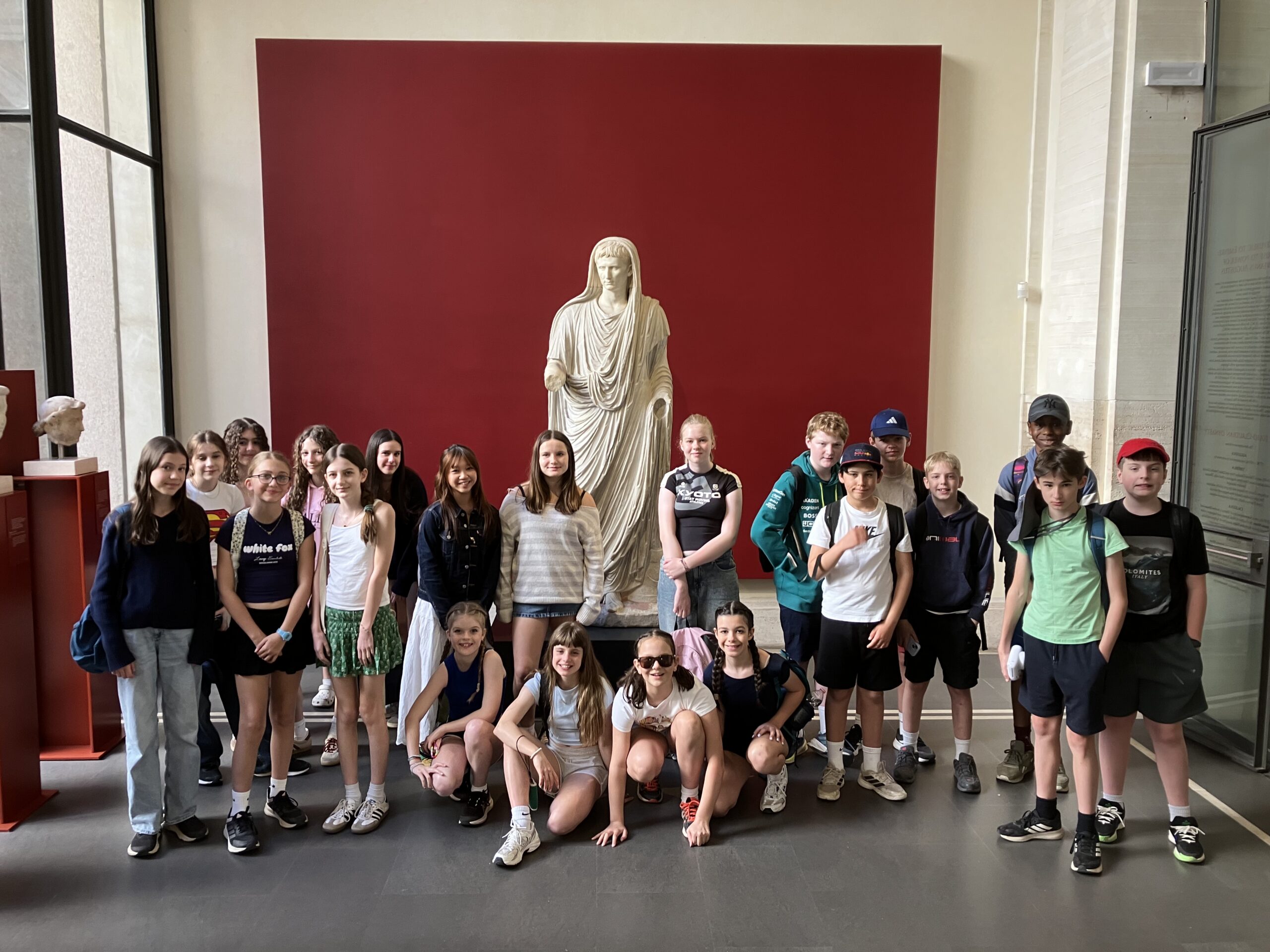
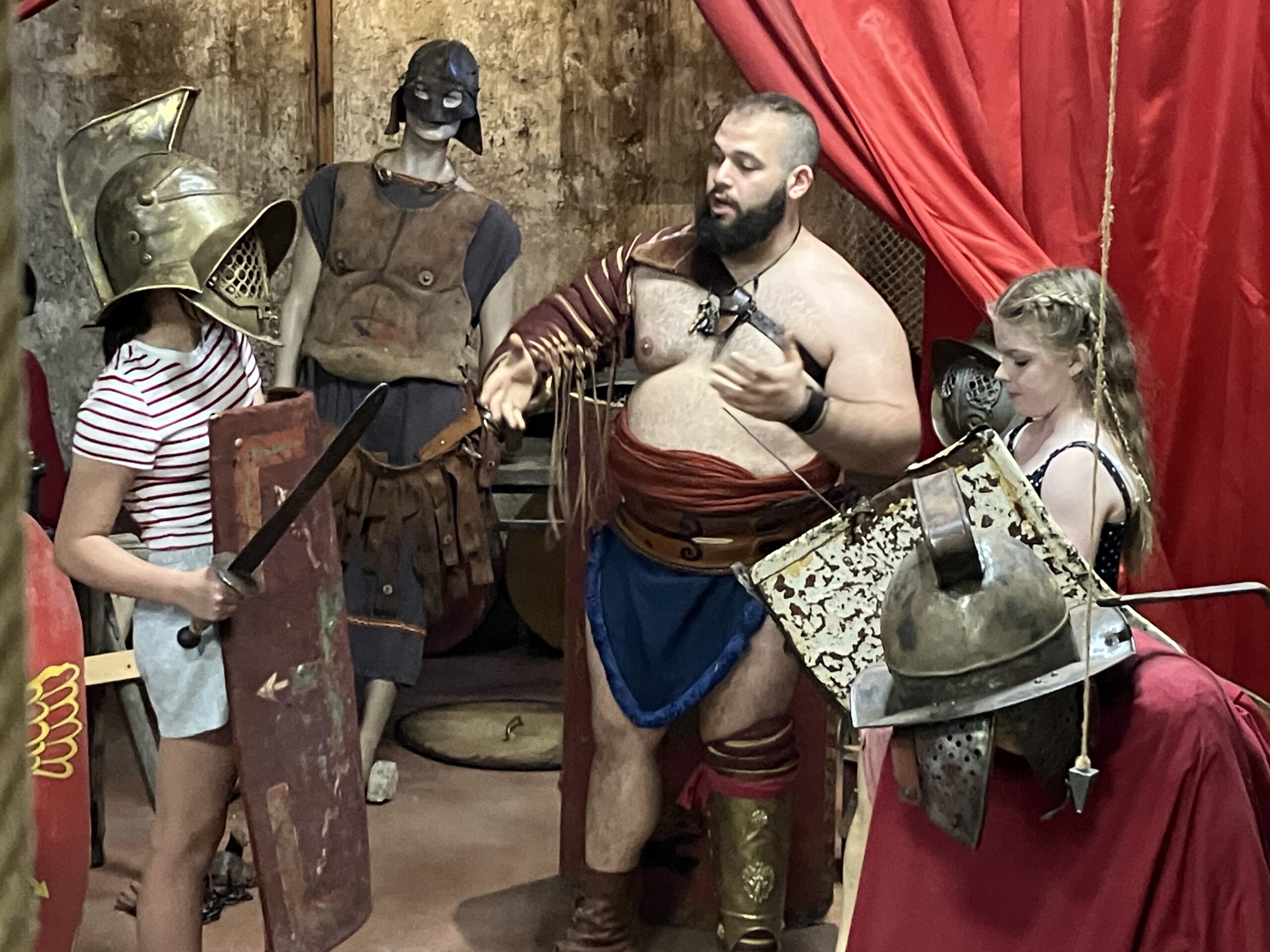
During the Easter break 25 intrepid Lower School Latinists set off on a four-day, three-night trip to Rome, designed to bring their study of the Romans vividly to life. The visit was particularly exciting for our Year 7 Classicists, who have recently begun Suburani, a new, story and character‑led Latin reading course set in the Rome of Emperor Nero.
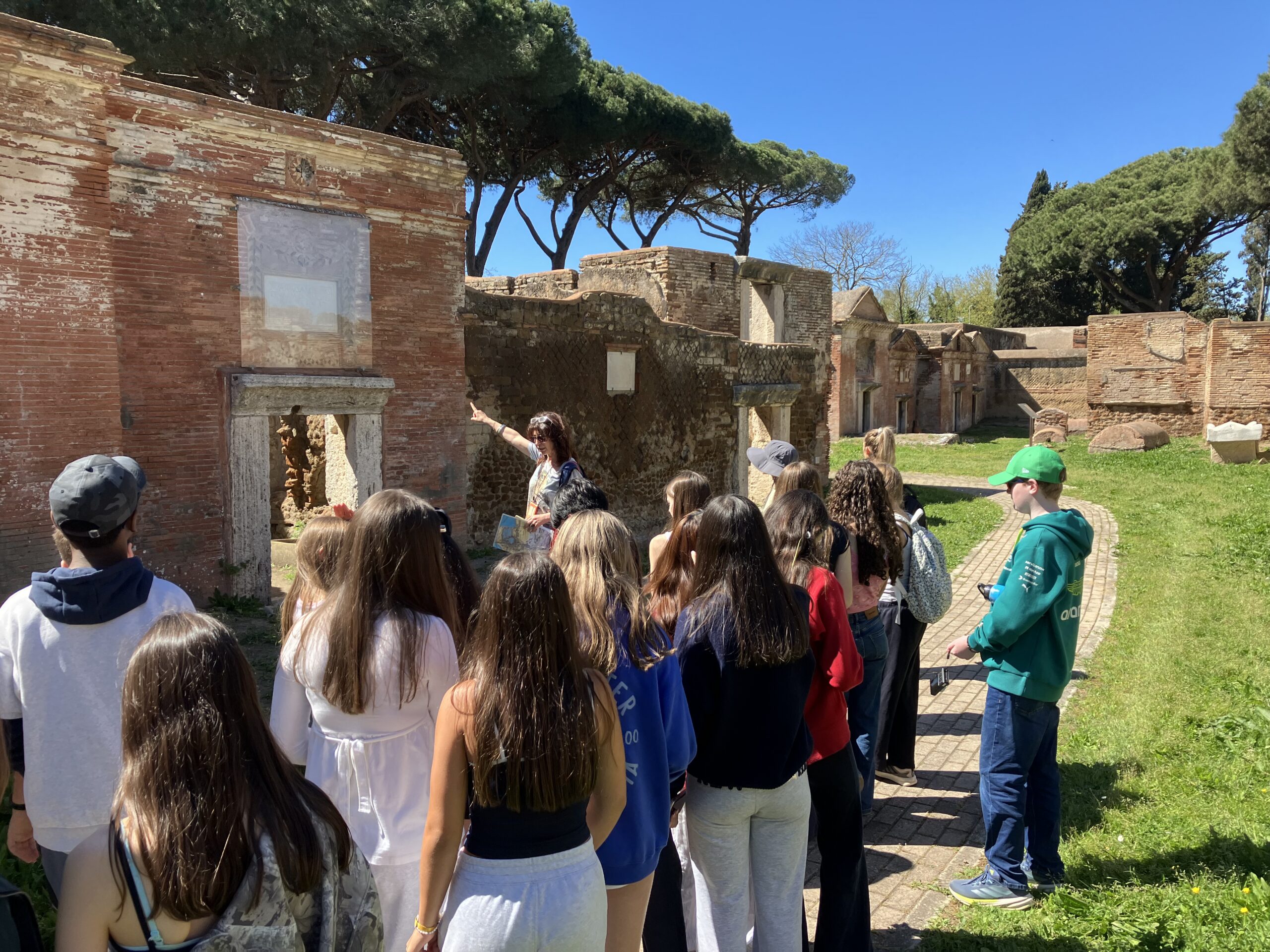
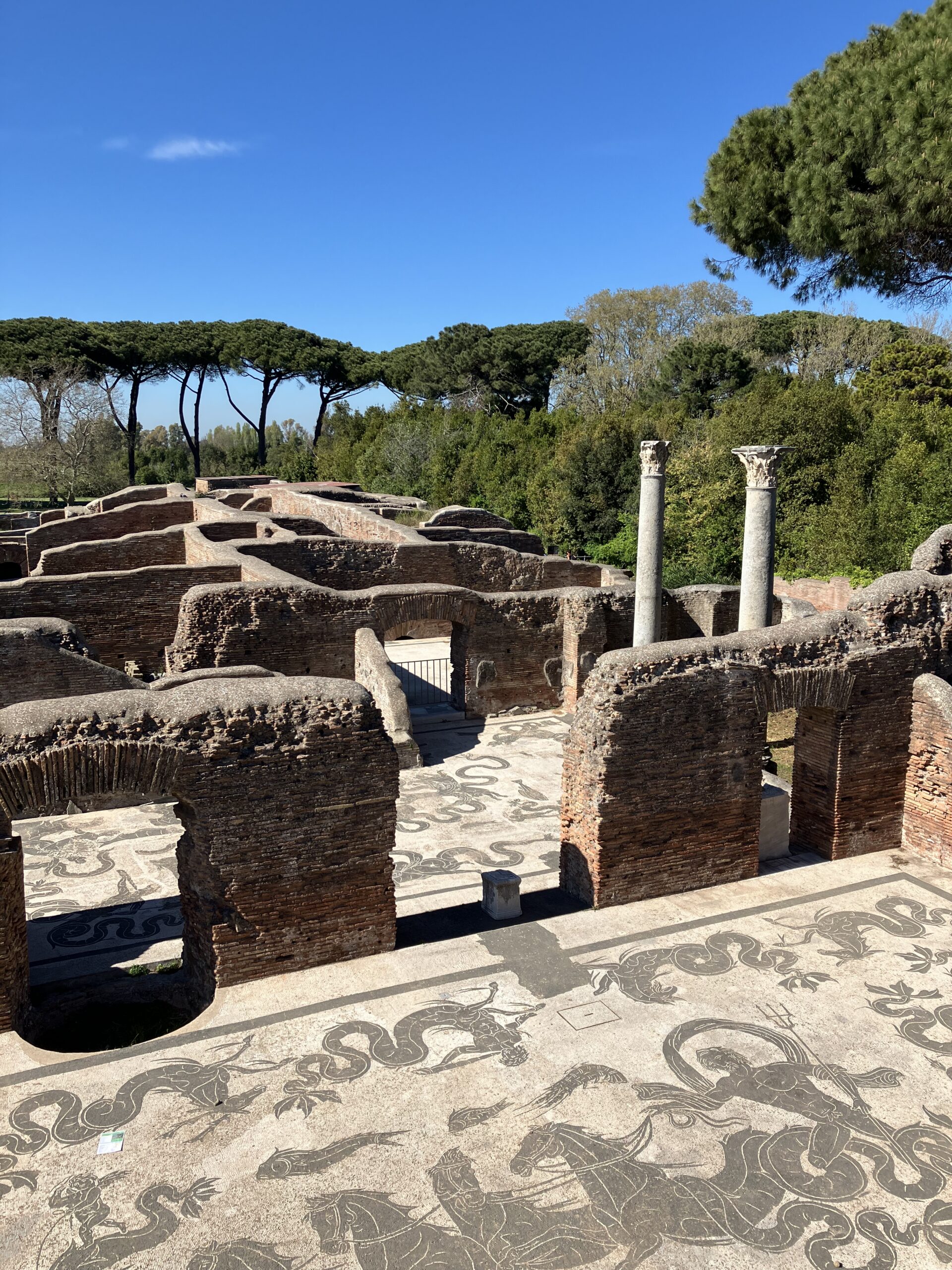
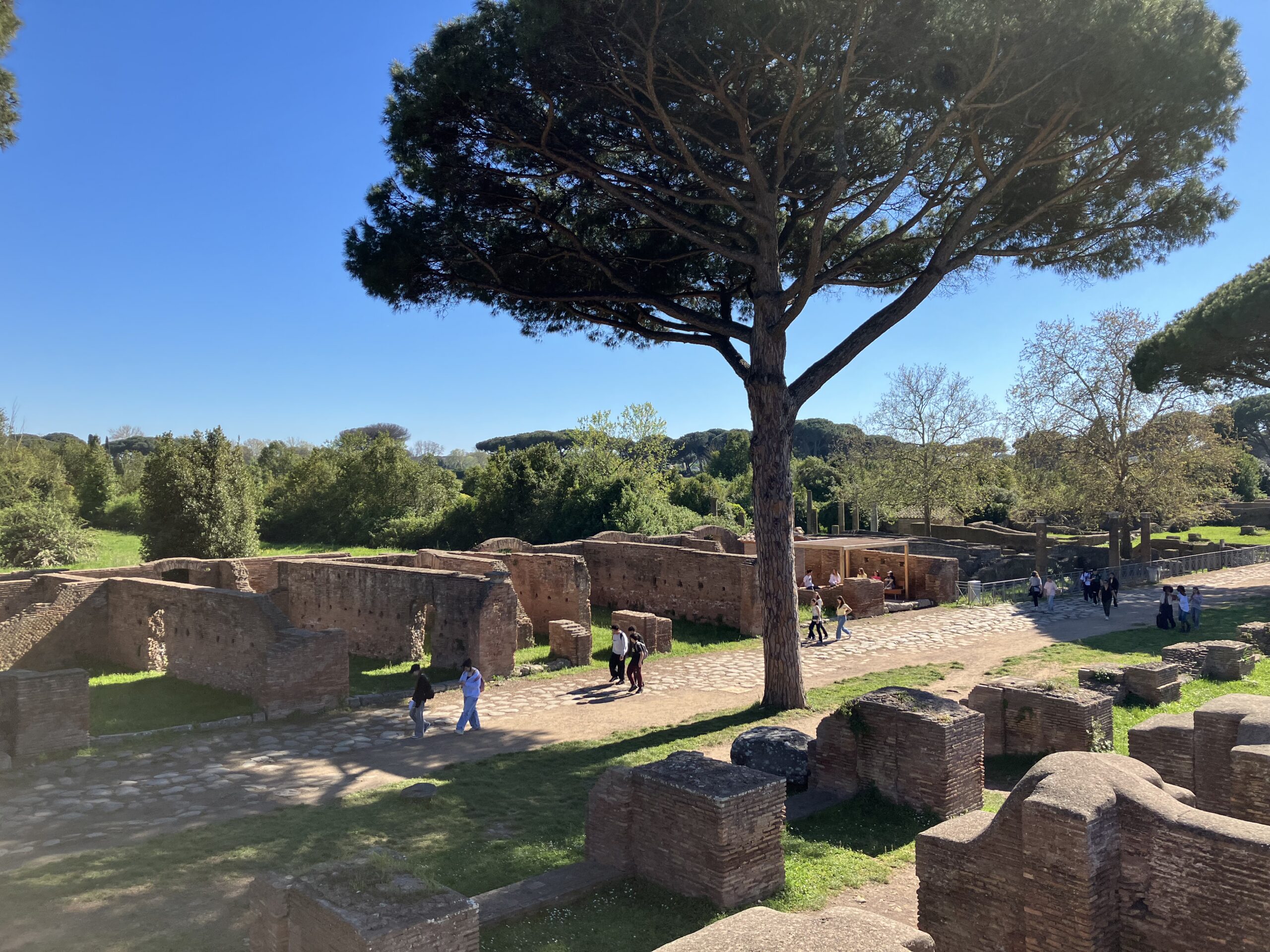
Following a very early departure, we arrived safely in Rome and enjoyed lunch at a family‑run Italian restaurant before exploring Ostia, the remains of Rome’s ancient port city, and the nearby Isola Sacra necropolis. Both sites provided an excellent introduction to Roman daily life and beliefs.
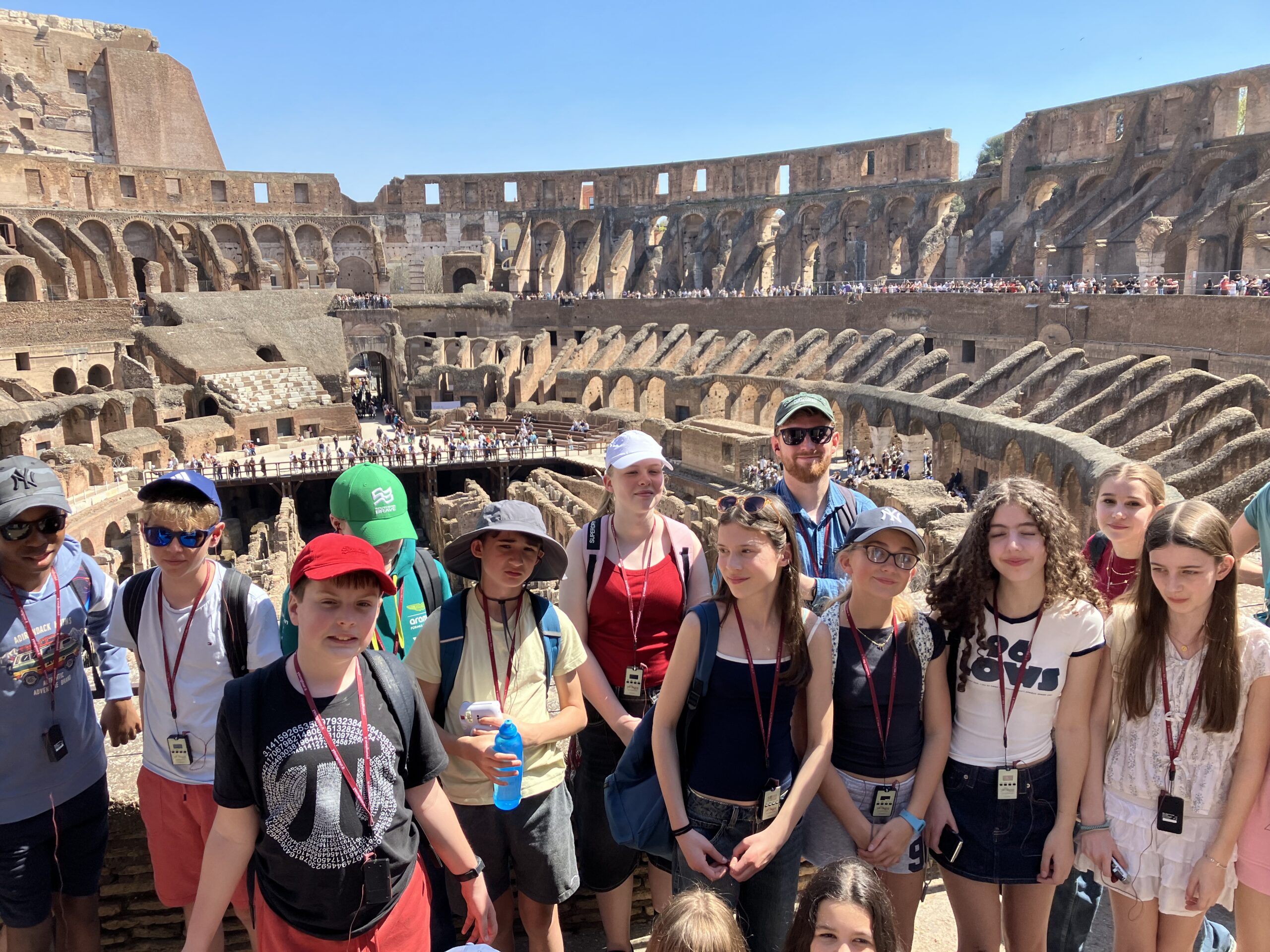
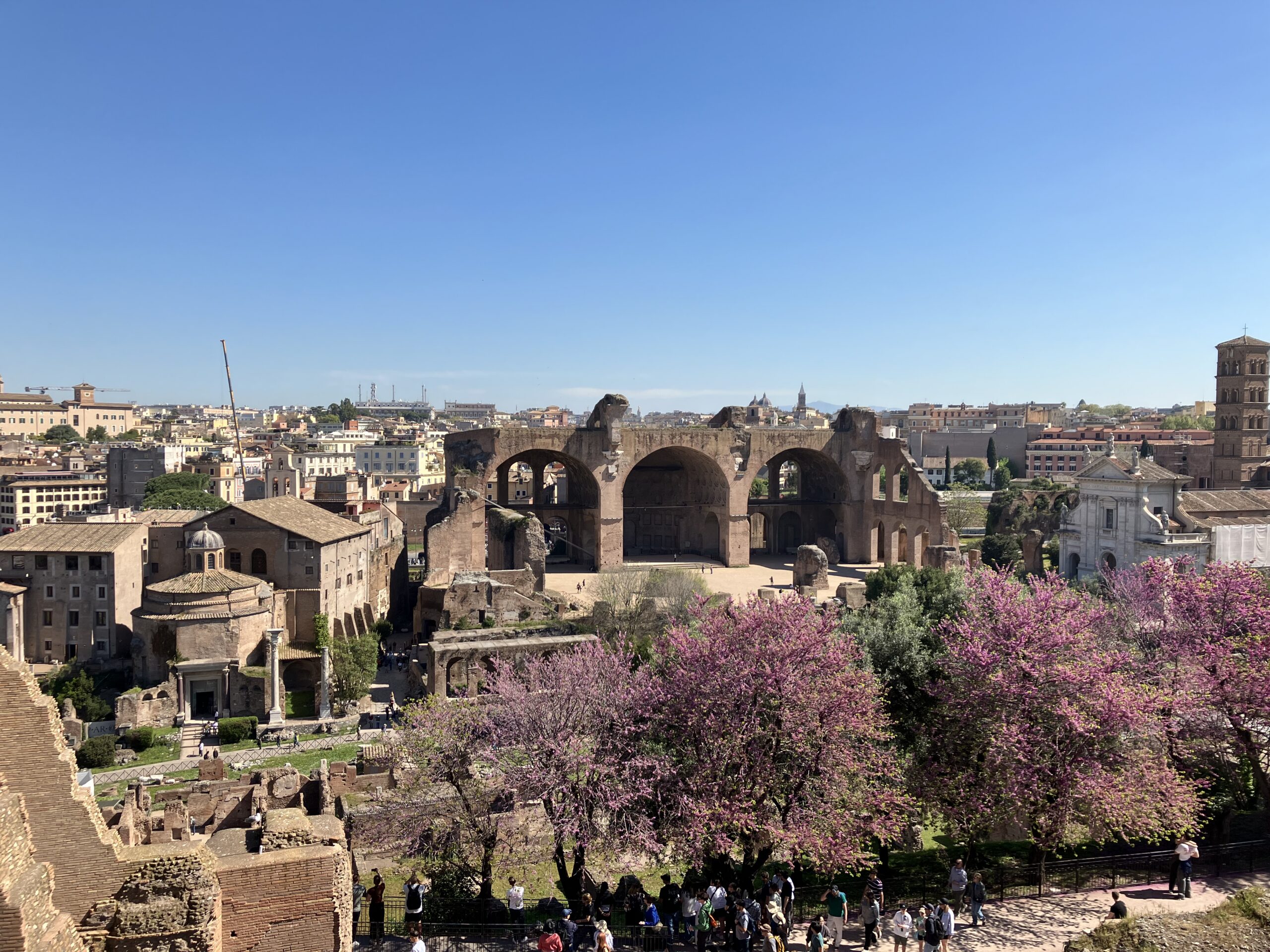
Day two was our busiest. Highlights included a visit to the Colosseum, followed by a sun‑soaked walk through the Palatine Hill and Roman Forum, led expertly by our Italian guide. After lunch, we paused in the shade at the Circus Maximus to imagine its ancient crowds, before ending the afternoon at the peaceful, yet still glorious remains of the Baths of Caracalla. That evening, after nearly 20,000 steps, pupils enjoyed a traditional trattoria supper and an unforgettable gelato‑making lesson at one of Rome’s most famous gelaterias.
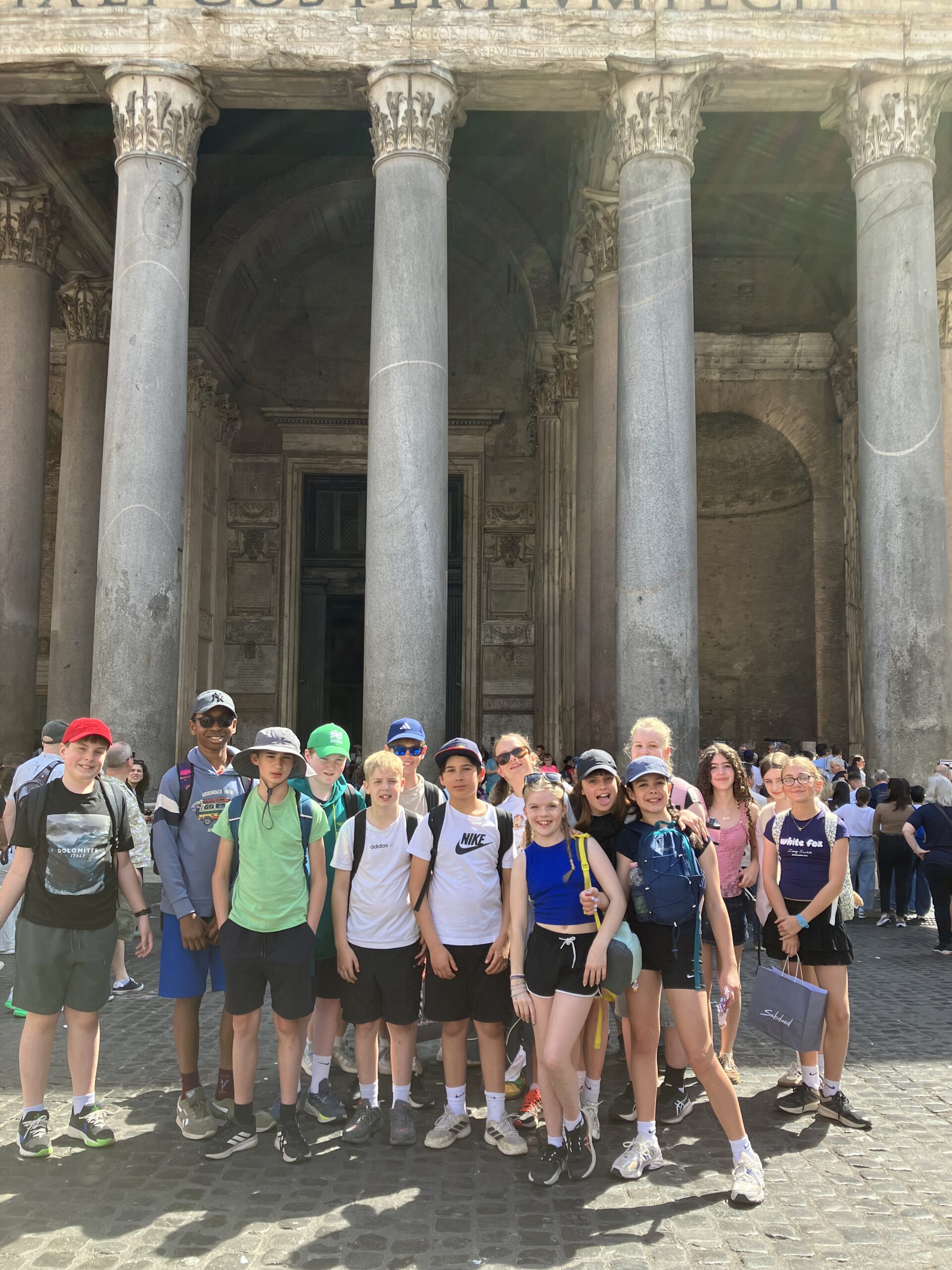
A more relaxed third day began at the wonderful museum, the Palazzo Massimo alle Terme, where pupils explored world-renown statues and frescoes almost alone. It felt like Rome’s best kept secret, so few people were there and we enjoyed the chance to discuss our finds together. A much more busy tour through central Rome followed, including the Trevi Fountain, Pantheon and the Piazza Navona (once a stadium built by Emperor Domitian) before an afternoon investigating imperial propaganda at the Ara Pacis – the monument to the first Roman emperor Augustus’ vision for his new political settlement following the fall of the Republic and the end of the civil war.
Our final day included Gladiator School, where pupils trained with wooden swords and earned certificates, before finishing at Hadrian’s Villa in Tivoli. This last destination evoked not only the luxury, ambition and majesty of ancient Rome, but also – in its hidden tunnels and sheer scale – the human cost of the manpower required to service it.
The trip concluded with a timely flight home to Gatwick—everyone tired but delighted, proud of their discoveries and of their many miles walked in pursuit of Roman history.